
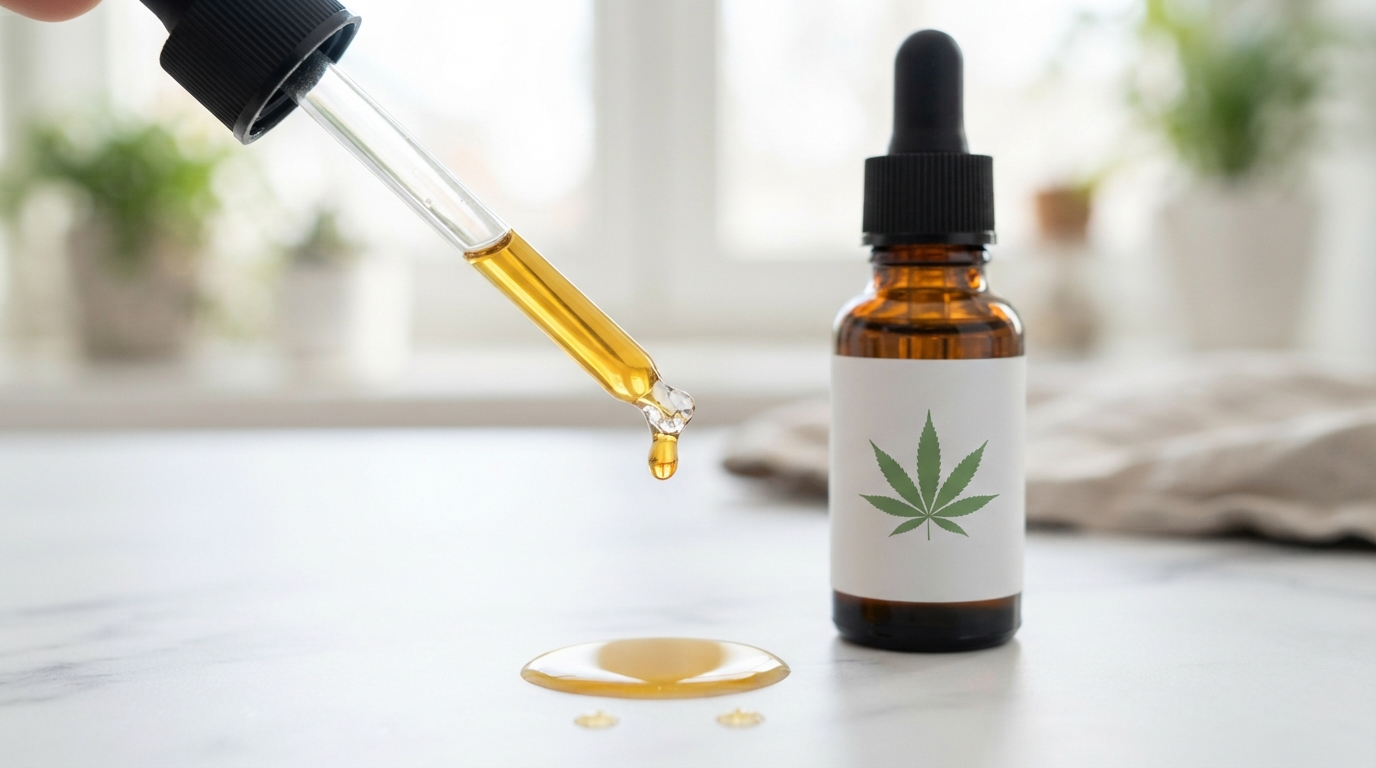
Two decisions determine whether a bottle of Holistapet CBD oil for dogs actually ends up being useful: picking a product that’s manufactured and tested properly, and dosing it in a way that matches the individual dog rather than a generic chart.
Checking Product Quality Before Anything Else
A certificate of analysis, commonly abbreviated COA, is the single most useful document a buyer can check before purchasing. It’s a lab report, ideally from an independent third-party lab rather than the manufacturer’s own testing, confirming what’s actually in a given batch. Specific things worth checking on a COA:
- Whether the tested CBD content matches the number printed on the label (some products test lower than advertised)
- THC percentage, which should sit at or below the federal 0.3% threshold
- Screening results for heavy metals, pesticides, and residual solvents left over from extraction
- A batch number matching the one printed on the actual bottle purchased, not just a generic sample report
- The testing date, since a COA from several years ago doesn’t necessarily reflect the batch currently on the shelf
Products that don’t make a COA available, or that only reference “lab tested” without providing the actual document, are harder to trust regardless of how polished the packaging looks.
Calculating an Actual Dose
This is where a lot of owners get tripped up, mostly because bottles list total milligrams rather than milligrams per drop. Working out a usable dose takes a few steps. First, find the total CBD content and total volume printed on the label (for example, 500 mg in a 30 mL bottle). Divide total milligrams by total milliliters to get concentration per mL (500 divided by 30 equals roughly 16.7 mg/mL). From there, a standard dropper typically dispenses about 1 mL per full squeeze, though this varies by manufacturer and should be confirmed against the specific dropper included.
Once concentration per mL is known, weight-based dosing guidance commonly cited in veterinary discussions of CBD (though not federally standardized) starts around 0.2 to 0.5 mg per kilogram of body weight for general use, moving toward higher research-referenced amounts like the 2 mg/kg twice-daily dose used in the Cornell osteoarthritis study for more targeted therapeutic use under veterinary guidance.
A 20 kg (roughly 44 lb) dog, for instance, at a conservative starting dose of 0.25 mg/kg, would need about 5 mg total, which at a concentration of 16.7 mg/mL works out to roughly 0.3 mL, a small fraction of a full dropper.
Weight-Based Dosing Reference
| Dog Weight | Conservative Starting Dose (0.25 mg/kg) | Research-Referenced Dose (2 mg/kg) |
|---|---|---|
| 5 kg (11 lb) | ~1.25 mg | ~10 mg |
| 10 kg (22 lb) | ~2.5 mg | ~20 mg |
| 20 kg (44 lb) | ~5 mg | ~40 mg |
| 30 kg (66 lb) | ~7.5 mg | ~60 mg |
| 40 kg (88 lb) | ~10 mg | ~80 mg |
The gap between the conservative starting figure and the research-referenced figure is intentional. The 2 mg/kg dose comes from a specific clinical trial targeting osteoarthritis pain under study conditions, not a general starting recommendation for every use case, which is why starting lower and adjusting gradually makes more sense for most situations outside a vet-directed treatment plan.
Starting Low, Watching Closely
Beginning with a lower dose than the label’s upper suggested range and observing the dog over several days before adjusting is the more cautious and commonly recommended approach, particularly since individual metabolism varies. Signs a dose might be too high include noticeable grogginess, poor coordination, or digestive upset. A dog showing none of these while achieving the intended effect (calmer behavior, improved mobility, whatever the goal happens to be) is generally in an appropriate range.
A Note on Timing and Food
Cannabinoids are fat-soluble, meaning they’re absorbed more efficiently when taken alongside some dietary fat rather than on a completely empty stomach. Giving oil with or right after a meal, rather than first thing in the morning before any food, may improve how much of the dose actually gets absorbed rather than passing through largely unused.
Comparing Value Across Products
Price comparisons between CBD oil bottles are nearly meaningless without adjusting for concentration first. A $40 bottle with 250 mg total CBD costs 16 cents per milligram. A $50 bottle with 1000 mg total CBD costs 5 cents per milligram, despite having a higher sticker price. Working out the actual cost-per-milligram figure, rather than comparing bottle prices directly, is the only fair way to judge whether a given product is actually a good value or just priced to look affordable on the shelf while delivering less usable CBD per dollar.
| Bottle Price | Total CBD | Cost per mg |
|---|---|---|
| $40 | 250 mg | $0.16 |
| $45 | 500 mg | $0.09 |
| $50 | 1000 mg | $0.05 |
| $65 | 1500 mg | $0.043 |
Higher-concentration bottles tend to offer better cost-per-milligram value, though they also require more careful, precise dosing since a small dropper error translates to a larger milligram swing at higher concentrations.
Special Considerations for Puppies and Senior Dogs
Most existing research has been conducted on adult dogs, generally middle-aged to senior, which leaves a gap in specific data for puppies whose organ systems, including liver metabolism, are still developing. Extra caution and, ideally, veterinary input before use in young puppies makes sense given this gap. Senior dogs, meanwhile, are the group most commonly represented in existing research, since conditions like osteoarthritis are more prevalent with age, but seniors are also more likely to be on other medications, which loops back to the earlier point about liver-pathway interactions.
Adjusting for Split Doses
Many of the referenced research protocols, including the Cornell osteoarthritis study, used twice-daily dosing rather than a single daily dose. Splitting a calculated total daily amount into two smaller doses, morning and evening, rather than giving it all at once, may help maintain steadier levels in the dog’s system rather than a single spike followed by a longer gap with no measurable effect. This isn’t a strict requirement for every use case, particularly lower-stakes general wellness use, but it’s worth considering for situations modeled more closely on the specific dosing schedules used in published research.
Tracking Whether It’s Actually Working
A simple log makes a real difference here, and it doesn’t need to be complicated. Noting the date, dose given, and one or two specific observations (activity level after a walk, whether a dog settled during a known trigger like fireworks, appetite that day) over a two-to-three week period turns a vague impression into something closer to actual data. Without this kind of tracking, it’s easy to misjudge whether a change is due to the oil, a change in weather, a change in routine, or nothing at all beyond normal day-to-day variation in a dog’s behavior.
Common Dosing Mistakes Worth Naming Directly
A few mistakes come up repeatedly. Assuming the total milligram number on the front label is the per-dose amount, rather than doing the concentration math, is probably the single most common one. Giving a dose based on a chart designed for a different product’s concentration is another, since two bottles with the same total milligram count but different volumes will have entirely different strengths per drop. Increasing the dose too quickly, within days rather than over a week or two, makes it harder to identify the actual effective dose and increases the odds of the grogginess or digestive upset associated with going too high too fast. And giving oil inconsistently, some days morning, some days evening, skipping days without a clear plan, makes it nearly impossible to judge whether the product is doing anything at all.
Multi-Dog Households
Households with more than one dog need separate calculations for each animal rather than a single household dose, since weight differences between dogs, even within the same household, can be significant enough to matter. Labeling separate droppers or syringes for each dog, and storing the bottle somewhere dogs themselves can’t access directly, avoids both dosing mix-ups and the risk of a dog getting into the bottle unsupervised and consuming far more than intended in one sitting.
What to Avoid
Skip products without a visible concentration number on the label. Skip anything claiming to “cure” a diagnosed medical condition, since that’s a claim current supplement law doesn’t permit and one the existing research doesn’t support at this scale. And skip adjusting doses dramatically day to day. Consistency over a week or two gives a much clearer picture of whether a given dose is doing anything at all.
A small kitchen scale or a set of measuring spoons isn’t necessary here, but a proper oral dosing syringe, the kind pharmacies use for liquid medication, can offer more precise measurement than the dropper bulb included with some bottles, particularly for very small dogs where even a tenth of a milliliter makes a proportionally larger difference. Some pharmacies will provide these free of charge for pet owners who ask.
Final Thoughts
Dosing CBD oil correctly comes down to basic math (concentration divided by weight-based target), not guesswork, and pairing that calculation with a genuine COA check is the most reliable way to get a product that actually delivers what its label claims.