
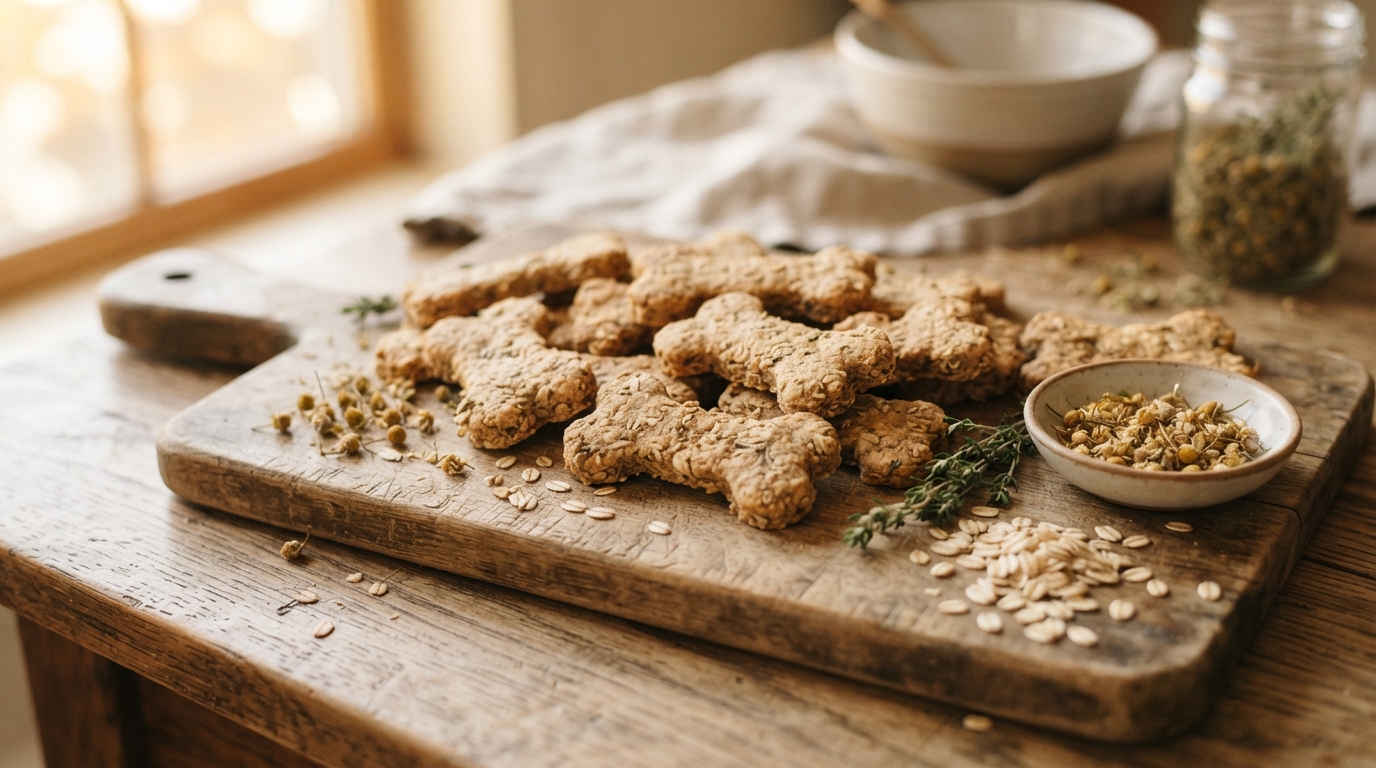
Not all Holistapet CBD Dog Treats on the market are made the same way, and the difference between a well-manufactured product and a poorly made one isn’t always visible from the packaging alone.
Start With the Certificate of Analysis
A certificate of analysis, or COA, is a lab report showing exactly what’s in a given batch of product. Reputable manufacturers make this document available, either printed on the packaging via QR code or posted on their website. Buyers should check the COA for a few specific things:
- Confirmation that the CBD content matches what’s advertised on the label (some products test lower than claimed)
- THC levels at or below the 0.3% federal threshold
- Testing for contaminants: heavy metals, pesticides, and residual solvents from the extraction process
- A batch number that matches the one printed on the product itself
Independent, third-party lab testing carries more weight than in-house testing, since the lab doing the analysis has no financial stake in the results looking favorable.
Extraction Method Matters More Than Marketing Suggests
CO2 extraction is widely considered the cleaner method for pulling cannabinoids from hemp plant material, since it doesn’t leave behind chemical solvent residue the way some older extraction techniques can. Ethanol extraction is also common and generally safe when done properly, though it requires careful purging to remove residual alcohol. Products that don’t disclose their extraction method at all are worth a second look.
Red Flags Worth Watching For
A few warning signs tend to show up on lower-quality products:
Vague sourcing language (“premium hemp”) without naming where the hemp was grown. Missing or outdated COAs, particularly ones dated more than a year prior to purchase. Claims that the product “cures” or “treats” a specific disease, which crosses into territory the FDA doesn’t permit for supplements. Pricing that seems unusually low compared to competitors, since quality hemp extraction isn’t cheap and rock-bottom prices often correlate with diluted or mislabeled product, a pattern flagged repeatedly in independent lab audits of the CBD industry over the past several years.
Ingredient List Considerations
Beyond the CBD itself, check the rest of the ingredient list for common allergens if the dog has known sensitivities. Wheat, corn, soy, and artificial dyes show up in some lower-cost treats. Treats made with limited, recognizable ingredients tend to be easier to troubleshoot if a dog has a digestive reaction.
A Quick Comparison Table
| Feature | Higher Quality Signal | Lower Quality Signal |
|---|---|---|
| Lab testing | Third-party COA available | No COA or in-house only |
| THC content | Clearly stated, under 0.3% | Not disclosed |
| Extraction | CO2 or clean ethanol, disclosed | Not mentioned |
| Sourcing | Named farm or region | “Premium hemp” with no detail |
| Claims | Supplement-style language | Disease treatment claims |
Final Thoughts
Choosing a quality CBD dog treat comes down to verifiable documentation more than brand reputation alone, and a COA that matches the label is the single most useful piece of evidence a buyer can check before purchase.