
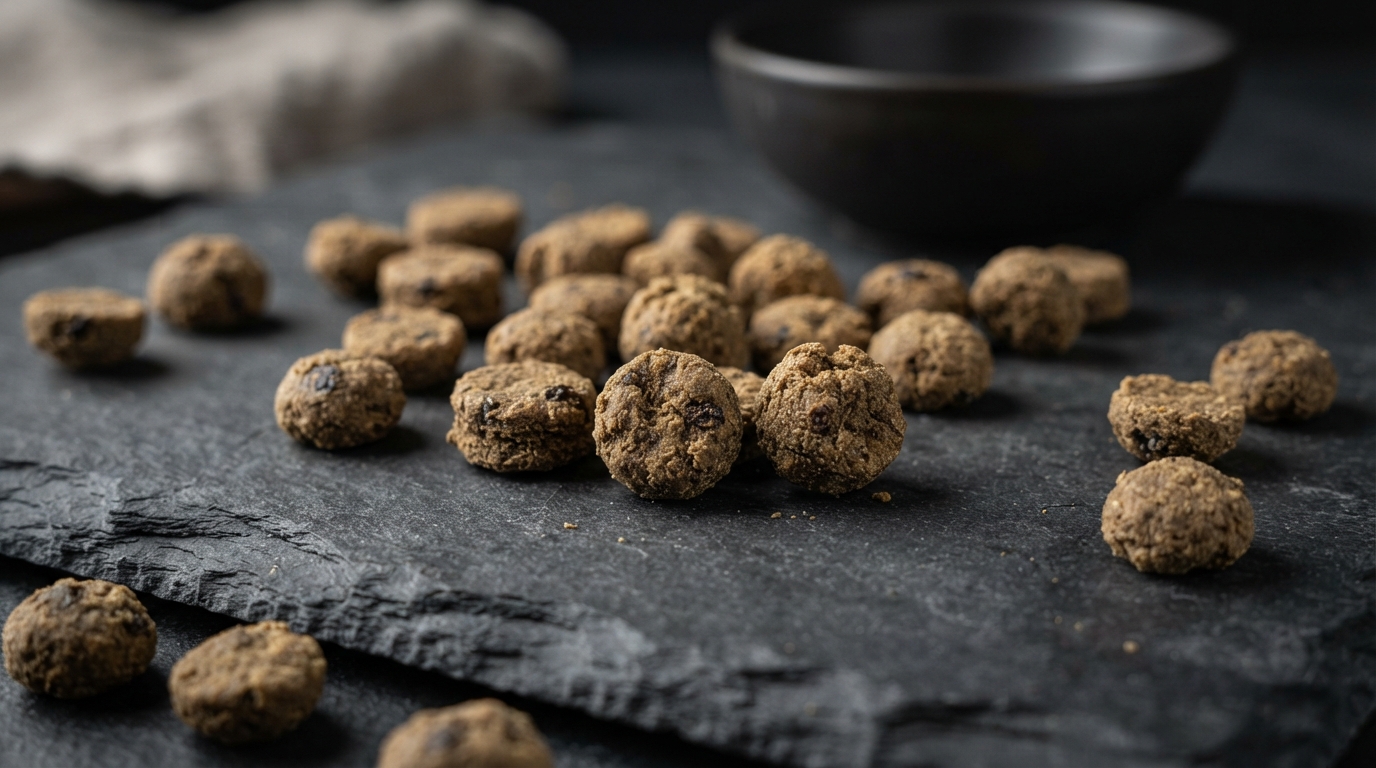
Pick up two different bags of Holistapet CBD cat treats and the labels can look wildly inconsistent. One lists milligrams per treat in bold on the front. Another buries the number in fine print on the back, next to a QR code that may or may not still work. Learning to read past the marketing language on the front of the package is the single most useful skill for anyone shopping in this category.
Start With the Milligram Count
The number that matters most is milligrams of CBD per treat, not per bag or per serving described vaguely. A label reading “250mg CBD” on a bag of 30 treats means each treat carries roughly 8.3mg, assuming even distribution across the batch, which isn’t always guaranteed. If a label states total CBD content without breaking it down per treat, that’s a gap worth flagging before buying.
Watch for the difference between “hemp extract” and “CBD.” Some products list a total hemp extract weight without specifying how much of that is actually cannabidiol versus other plant compounds or inert filler. A treat can legally say “contains hemp extract” while carrying a negligible CBD dose.
Certificate of Analysis: The Document That Actually Matters
A Certificate of Analysis, or COA, is a lab report showing what a specific batch actually contains. Reputable brands publish these, often via a QR code or batch number lookup on the packaging.
A useful COA should show:
- Cannabinoid potency testing confirming CBD content matches the label claim
- THC levels confirmed under the federal 0.3% threshold
- Screening for heavy metals (lead, arsenic, cadmium, mercury)
- Pesticide residue testing
- Microbial and mold testing
If a QR code leads to a dead link, an outdated batch number, or nothing at all, that’s a meaningful red flag. A company confident in its testing makes that information easy to find, not buried.
Decoding Common Label Terms
“Full-spectrum” means the product retains multiple cannabinoids and compounds naturally found in hemp, including trace THC under the legal limit. “Broad-spectrum” means THC has been removed while other compounds remain. “Isolate” means pure CBD with everything else stripped out. None of these terms is automatically better; they represent different formulation choices, and for cats specifically, broad-spectrum or isolate products avoid introducing even trace THC, which some owners prefer given feline sensitivity to cannabinoids generally.
“Veterinarian formulated” or “vet recommended” sounds reassuring but isn’t a regulated claim, so it’s worth treating as marketing language rather than verified fact unless the label names a specific veterinarian or clinic that can be checked.
Ingredient List Red Flags
A short, recognizable ingredient list is generally a good sign. Watch for:
Artificial preservatives like BHA or BHT, which some pet owners choose to avoid, though they’re not inherently unsafe in small amounts approved for pet food.
Vague protein sourcing such as “meat meal” without specifying the animal, which makes it harder to screen for allergies.
Added sugars or excessive salt, unusual in a supplement treat but worth checking, particularly for cats with kidney concerns where sodium intake matters.
Serving Suggestions and Dosing Guidance
Most labels include a suggested serving based on the cat’s weight, something like “1 treat per 10 lbs of body weight, up to twice daily.” Treat these as starting points, not fixed medical dosing.
A few practical points on using this information:
- Start with the lowest suggested amount, even if the cat is at the higher end of a weight bracket
- Wait a few days before increasing, watching for any change in appetite, energy, or litter box habits
- Keep a simple log of dose and any observed effect, which becomes genuinely useful information for a veterinarian if questions come up later
- Recognize that weight-based dosing on a label is a general guideline, not a formula validated by controlled feline studies at scale
Storage and Expiration Details
Look for a manufacture date in addition to (or instead of) a generic expiration date. CBD potency degrades with heat, light, and air exposure, and a treat made 14 months ago may test at meaningfully lower potency than the label originally reflected, even if it hasn’t technically “expired.” Sealed, resealable packaging stored in a cool, dark place preserves potency longer than a bag left open on a counter.
Final Thoughts
A trustworthy CBD cat treat label makes the milligram count obvious, links to a real and current Certificate of Analysis, and avoids vague marketing terms standing in for actual data.